Live Dubia Roaches vs Other Live Feeder Bugs: Which Is Better
For reptile owners, choosing the right live feeder insects is one of the most important parts of proper husbandry. Live insects make up the core diet for many species, and the type of feeder you select can influence digestion, growth, behavior, and overall well-being. With so many feeder options available, it can be difficult to decide whether live dubia roaches or other insects are the better choice.
Dubia roaches have grown in popularity because they offer stable nutrition, low odor, and simple upkeep. Other insects, such as crickets, mealworms, superworms, hornworms, waxworms, and black soldier fly larvae, also play important roles depending on the reptile’s dietary needs.
This expanded guide takes a deeper look at how dubia roaches compare with other feeder insects, helping reptile owners understand which feeders work best and how each option supports a healthy and balanced diet.
Key Takeaways
- Dubia roaches offer one of the most reliable nutrition profiles for daily reptile feeding.
- Other feeder insects provide specialized benefits such as hydration or high calcium content.
- A varied feeder diet can reduce nutrient gaps and increase enrichment.
- Feeder care requirements vary widely and affect cost, cleanliness, and convenience.
- The best feeder depends on reptile species, feeding habits, and digestive tolerance.
- Understanding the strength of each feeder type helps owners avoid common nutritional mistakes.
Why Feeder Insect Variety Matters
Before comparing
dubia roaches to other feeder bugs, it helps to understand why variety plays an important role in reptile nutrition. In the wild, reptiles do not eat the same insect every day. They hunt a range of prey that provide different nutrients, moisture levels, and activity patterns.
A varied feeder plan can support:
- Better digestive health
- More balanced nutrient intake
- Increased natural behavior stimulation
- Reduced the risk of overfeeding high-fat insects
- Greater feeding interest for picky reptiles
While dubia roaches could serve as a staple feeder for many species, rotating additional insects can create a diet closer to what reptiles experience in the wild.
Nutritional Breakdown and Detailed Comparison
Nutrition is a major deciding factor in choosing the right feeder insects. Here is a more detailed comparison table that expands on digestibility, chitin levels, and feeding suitability:
| Insect Type | Protein | Fat | Moisture | Chitin | Best Use | Notes |
|---|---|---|---|---|---|---|
| Dubia Roaches | High | Moderate | Moderate | Low | Daily staple | Balanced nutrition, long lifespan |
| Crickets | Moderate | Low | Moderate | Moderate | Daily or variety | Active movement, common feeder |
| Mealworms | Moderate | High | Low | High | Occasional | Higher fat, harder exoskeleton |
| Superworms | Moderate | High | Moderate | Moderate | Supplemental | Great for stimulating hunting behavior |
| BSF Larvae | High | Low | Moderate | Low | Daily staple | Naturally high calcium |
| Hornworms | Moderate | Low | Very high | Very Low | Hydration boost | Fast growth, bright color |
| Waxworms | Low | Very high | Moderate | Low | Treat only | Highly palatable, good for appetite issues |
This breakdown highlights that while many feeders have unique uses, dubia roaches and BSF larvae stand out as strong daily staples.
In-depth Look at Live Dubia Roaches
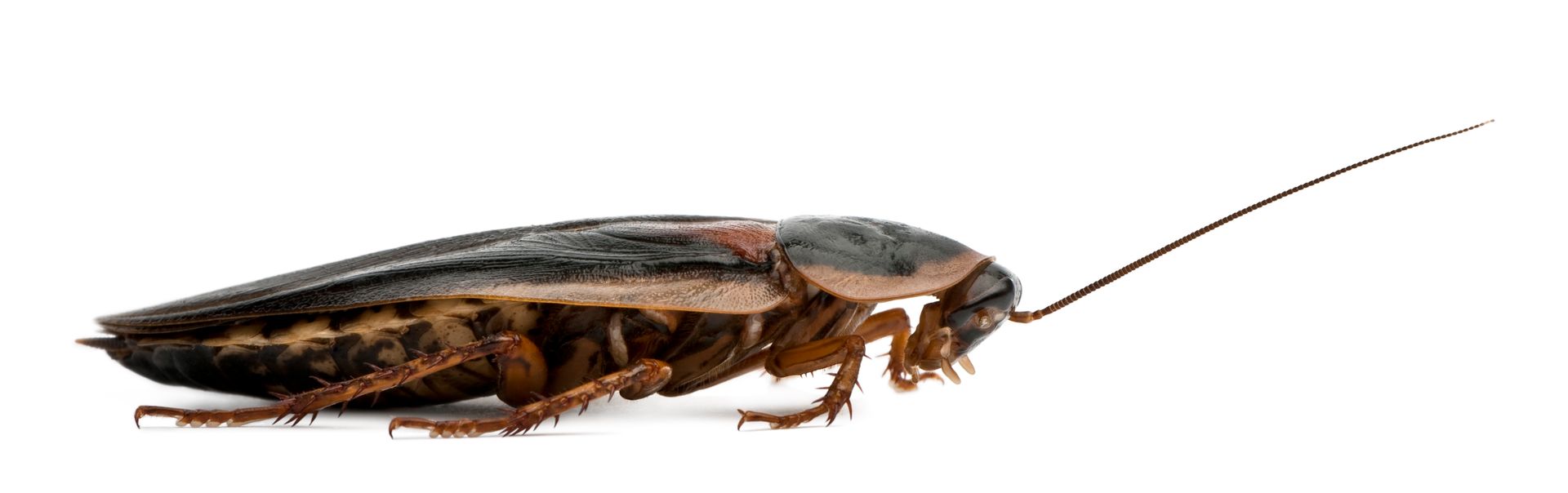
Dubia roaches are often chosen for their well-balanced nutrition and simple maintenance.
Advantages of Dubia Roaches
1. Balanced macronutrients
Dubia roaches contain enough protein to support muscle maintenance and energy without providing excessive fat. This makes them especially beneficial for reptiles that thrive on steady protein intake, such as bearded dragons and leopard geckos.
2. Long lifespan
Dubia roaches live significantly longer than crickets and do not require constant repurchasing. They thrive in basic containers with egg crates and stay alive for weeks or even months when cared for properly.
3. Low odor and quiet behavior
One of the biggest complaints reptile owners have about crickets is their smell and noise. Dubia roaches do not chirp, and their housing stays cleaner for longer.
4. Slow movement
Some reptiles prefer chasing fast prey, but many appreciate the slower movement of dubia roaches, which makes them easier to capture and digest.
Limitations of Dubia Roaches
- Not legal in every state.
- Some reptiles may take time to transition from fast feeders.
- Require a warm environment to stay active.
Even with a few limitations, most owners consider dubia roaches one of the best staple insects available.
A Closer Look at Other Live Feeder Bugs
Crickets
Crickets are often one of the first insects new reptile owners try. They move quickly and stimulate strong hunting instincts.
Benefits:
- Easy to find in both pet stores and online shops
- Affordable and available in multiple sizes
- Good for reptiles that prefer active feeders
Limitations:
- Short lifespan and high mortality rate
- Strong odor if housing is not cleaned regularly
- Can be noisy
- May bite reptiles if left in the enclosure
Crickets offer good stimulation but require more upkeep.
Mealworms and Superworms
These insects are common mainly because they are easy to store and simple to feed.
Benefits:
- Long shelf life
- Attractive to picky eaters
- Affordable and available in bulk
Limitations:
- High fat content
- A hard exoskeleton may cause digestive issues
- Best used as occasional feeders
Superworms offer more movement, while mealworms are typically used as supplemental treats.
Black Soldier Fly Larvae
These larvae have gained popularity due to their naturally high calcium levels.
Benefits:
- Great calcium-to-phosphorus ratio
- No dusting required for many reptiles
- Soft-bodied and easy to digest
Limitations:
- Lower movement, which may reduce stimulation
- Can clump together, making feeding a bit messy
BSF larvae often complement dubia roaches in staple diets.
Hornworms
Hornworms are visually appealing and high in moisture.
Benefits:
- Excellent hydration source during hot seasons or illness recovery
- Bright color attracts interest
- Very soft-bodied
Limitations:
- Need constant feeding due to rapid growth
- More expensive than other insects
Hornworms work best when used occasionally to support hydration or appetite boosts.
Waxworms
Waxworms are often used only as treats.
Benefits:
- High palatability
- Useful for encouraging picky reptiles to eat
Limitations:
- Very high fat
- May cause obesity or selective eating
Waxworms should be limited to occasional feeding.
Behavioral Enrichment and Feeding Response
Different insects trigger different feeding instincts. While dubia roaches are reliable and nutritious, some reptiles enjoy the challenge of chasing fast insects. For example:
- Chameleons often show a strong interest in hornworms due to their color.
- Leopard geckos may respond more quickly to superworms.
- Bearded dragons enjoy the variety of movement and texture between roaches, crickets, and worms.
Offering a mix of movement patterns helps maintain healthy feeding behavior and mental stimulation.
The “Staple Feeder vs Treat Feeder” Framework
To simplify feeding decisions, many reptile experts use a two-category approach:
Staple Feeders
- Dubia roaches
- Black soldier fly larvae
- Crickets (for some species)
Supplemental Feeders
- Superworms
- Hornworms
- Silkworms
Treat Feeders
- Waxworms
- Butterworms
- High-fat larvae
This framework ensures nutritional balance while preventing overfeeding of high-fat insects.
Which Feeder Is Best for Beginners
For new reptile owners, dubia roaches and black soldier fly larvae are often recommended because:
- They are easier to store
- They have low mortality rates
- They are quiet and odor-free
- They are nutritionally reliable
Crickets, while common, can overwhelm new owners due to odor and escape risks.
Choosing Feeders Based on Reptile Species
Different reptiles benefit from different feeder profiles. Below are general guidelines.
Bearded Dragons
- Best feeders: dubia roaches, BSF larvae, crickets
- Supplements: hornworms, superworms
- Avoid daily: waxworms, mealworms
Leopard Geckos
Best feeders: dubia roaches, mealworms (moderation), BSF larvae
Supplements: superworms
Avoid daily: waxworms
Chameleons
- Best feeders: crickets, dubia roach nymphs, BSF larvae
- Supplements: hornworms, silkworms
- Avoid daily: superworms, waxworms
Crested Geckos
Often rely on CGD diets but still benefit from occasional insects such as roach nymphs or crickets.
This species-specific approach helps owners tailor a diet suited to their reptile’s biology.
Cost and Long-Term Value
Because dubia roaches live longer, they provide better long-term value than many insects that die quickly. Even though the upfront cost may be slightly higher, fewer replacements are needed.
Crickets are cheaper upfront, but the constant repurchasing and higher die-off rate often make them more expensive over time.
Frequently Asked Questions
Can dubia roaches be used as the only feeder insect?
Many reptiles can thrive with dubia roaches as a primary feeder, but adding variety can improve enrichment and nutritional balance.
Is it safe to feed wild-caught insects?
It is usually not recommended because wild insects may carry pesticides or parasites.
Which feeder is best for hydration?
Hornworms offer very high moisture content and are ideal for hydration support.
What feeder should be avoided for daily feeding?
Mealworms and waxworms are higher in fat and are better suited as occasional supplements.
Do dubia roaches bite or harm reptiles?
Dubia roaches do not typically bite and are generally safe to feed.
Final Thoughts
Choosing the right feeder insect comes down to your reptile’s species, nutritional needs, and behavior. Dubia roaches are one of the most balanced and convenient feeder insects available, making them ideal for daily use. Other insects like hornworms, BSF larvae, and superworms offer unique benefits that can complement dubia roaches and create a healthier, more varied diet.
By understanding how each feeder insect contributes to overall well-being, reptile owners can feel confident in creating a safe, enriching, and nutritious feeding routine.
If you are ready to upgrade your reptile’s nutrition with clean, healthy, and responsibly raised feeder insects, then reach out to us!
Reference:
https://www.promeal.in/post/introduction-feeder-insects-types-benefits-pets-diet
Share this article