Live Feeder Insects: Nutrition and Benefits
Live feeder insects play an important role in the diets of many reptile species. From bearded dragons and leopard geckos to chameleons and small monitors, many reptiles rely on insects as a primary or supplemental food source. These insects help support natural behavior, hydration, digestion, and overall health. While commercial pellets and dried feeders exist, they often cannot match the freshness, movement, or moisture content that live insects provide.
Because of this, reptile owners often look for reliable feeder insects that offer balanced nutrition and predictable quality. Understanding the nutritional profiles of various insect species can help you make informed decisions about what to feed your reptile. Each insect has unique benefits, and choosing the right mix can help create a healthier and more stimulating diet.
This article takes a detailed look at what live feeder insects offer, how they support reptile wellness, and how you can use them responsibly. From nutrition tables to feeding tips and gut-loading guidelines, the following sections aim to help you provide the best feeding experience for your reptile.
Key Takeaways
- Live feeder insects encourage natural reptile feeding instincts.
- Each insect species offers different nutrient levels that contribute to balanced diets.
- Moisture-rich insects help support hydration and digestive comfort.
- Rotating feeder insects can help introduce variety and reduce overreliance on a single option.
- Gut loading improves the nutrient content of feeder insects.
- Choosing feeders based on species, life stage, and health needs can improve feeding results.
The Importance of Live Feeder Insects in Reptile Diets
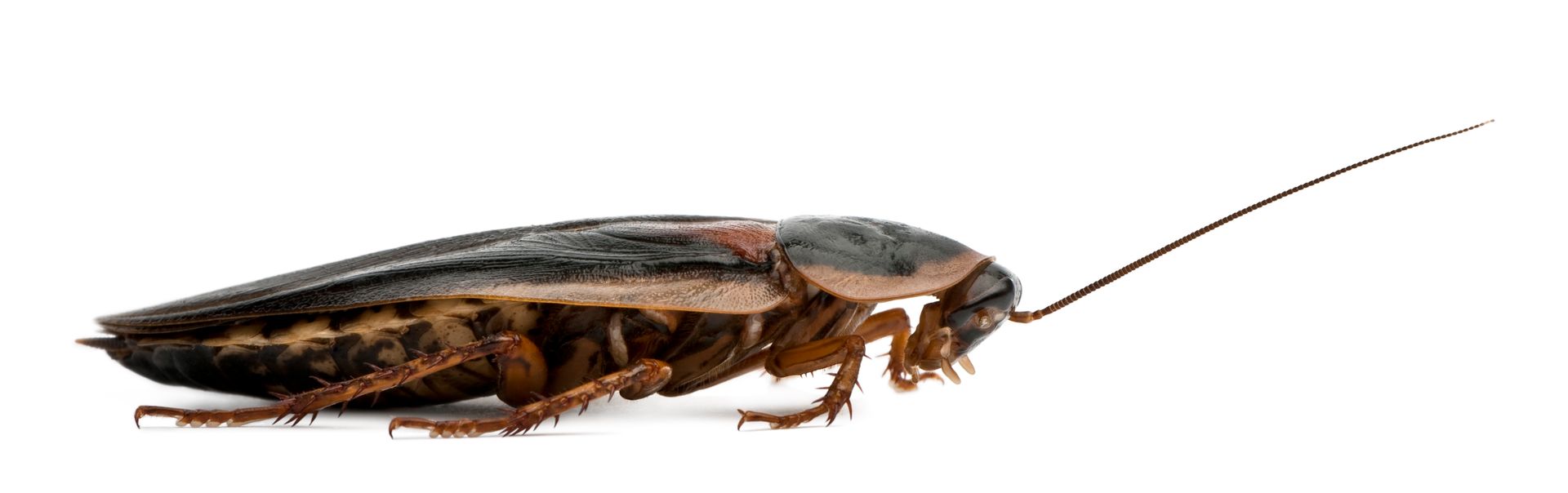
Live insects provide more than just calories. They contribute to overall well-being by stimulating natural hunting responses that many reptiles rely on. When a cricket chirps or a dubia roach scurries, it triggers instinctive behaviors that encourage reptiles to move, stalk, and strike. This type of physical and mental activity can help reduce stress and promote active lifestyles.
Many reptiles, especially young ones, grow rapidly and require nutrient-dense meals. Live insects can support this growth. They offer natural sources of protein, fat, moisture, and micronutrients that reptiles may not receive from other food types.
Live feeder insects also contribute to hydration. Species like hornworms and silkworms have high moisture content, which can help reptiles that do not drink often from bowls. In arid species, this can be especially helpful.
Even reptiles that enjoy mixed diets still benefit from insects. For example, bearded dragons eat more insects as juveniles and more greens as adults, but insects remain a valuable part of their nutritional plan throughout life.
Overall, live feeder insects help maintain a healthy feeding routine that mirrors what reptiles experience in natural environments.
Nutritional Breakdown of Popular Feeder Insects
Each feeder insect offers unique nutritional characteristics. Understanding these differences can help you match feeders to your reptile’s dietary needs. The following table provides a general overview of common insects:
| Insect Type | Protein | Fat | Moisture | Fiber | Notes |
|---|---|---|---|---|---|
| Dubia Roaches | Moderate to high | Low | High | Moderate | Often favored for balanced nutrition and low odor |
| Crickets | Moderate | Low | Low | Low | Widely available and easy to find |
| Mealworms | Moderate | High | Moderate to high | Moderate to high | Better used sparingly due to higher fat and tougher exoskeleton |
| Superworms | Moderate | Moderate | Moderate | Moderate | Active movement increases hunting stimulation |
| Hornworms | Low to moderate | Very low | Very high | Low | Excellent hydration support and soft bodied |
| Silkworms | Moderate | Low | High | Low | Gentle on digestive systems |
| Black Soldier Fly Larvae | Moderate | Low | Low | Low | Naturally high calcium ratio |
These values may vary slightly depending on how the insects are raised and fed. However, they highlight the differences that matter when planning your reptile’s meals. For example:
- If your reptile needs
high moisture, hornworms or silkworms may be ideal.
- If you want a
balanced feeder, dubia roaches are often a strong choice.
- If you are looking for
natural calcium enrichment, black soldier fly larvae are widely used.
Choosing the right feeders means paying attention to these nutrient ranges and offering a mix that suits your reptile’s specific needs.
Benefits of Live Feeder Insects
Supports Natural Instincts
Reptiles thrive when they can use their natural abilities. Hunting moving insects encourages alertness and activity. This can help reduce stress and create a more enriching environment. Even reptiles that seem relaxed or passive often enjoy the stimulation of live feeding.
Promotes Hydration and Digestion
Many reptiles obtain moisture from their food. Insects with high water content help supplement hydration, especially in species that are not frequent bowl drinkers. Soft-bodied insects like hornworms and silkworms can also be easier to digest for reptiles that prefer gentler feeders.
Provides Flexible Nutrition
Because no single insect offers every nutrient, variety is essential. Some insects provide higher protein, some offer more moisture, and others contain beneficial micronutrients. Using a combination offers flexibility and reduces the risk of imbalanced diets.
Encourages Physical Activity
Hunting live insects promotes exercise. This movement can help maintain muscle tone, build coordination, and keep reptiles mentally alert. Increasing activity levels may also encourage more consistent feeding patterns.
Allows for Gut Loading
One of the most impactful ways to enhance feeder nutrition is gut loading. Feeding nutrient-dense foods to insects before offering them to your reptile helps boost the value of the meal. This practice is widely recommended and can support overall health.
Choosing the Right Feeder Insects for Different Reptiles
Each reptile species has unique nutritional needs and preferences. Selecting the right feeders depends on size, age, digestion, and natural habits.
Bearded Dragons
Young bearded dragons often consume large amounts of insects. Balanced feeders like dubia roaches and high-moisture insects like hornworms can help support their growth. Adult dragons still benefit from insects, but usually at a reduced frequency.
Leopard Geckos
Leopard geckos rely heavily on insects. They often prefer mealworms, dubia roaches, or crickets. It is helpful to rotate feeder types and choose insects that match their mouth size.
Crested Geckos
While crested geckos often eat prepared diets, they may still enjoy occasional insects. These insects can help encourage natural movement and provide enrichment.
Chameleons
Chameleons typically need more hydration support. Insects like hornworms and silkworms are often favored for this reason. Chameleons also tend to enjoy active prey, making crickets and roaches suitable choices.
Understanding what your species needs helps guide feeding plans that support growth, longevity, and comfort.
The Role of Variety in Reptile Nutrition
Providing different insects ensures balanced nutrient intake. A rotation can help introduce different fat levels, protein sources, and hydration support. This approach also prevents monotony and keeps reptiles more excited during feeding time.
Feeding only one type of insect may increase the risk of nutritional gaps. Rotating insects can help deliver a wider range of vitamins, minerals, and textures. Variety can also help prevent selective feeding habits, especially with younger reptiles who may develop preferences.
Gut Loading and Supplementation
Gut loading enhances the value of feeder insects. When insects are fed vegetables, grains, or nutrient-rich diets, they pass these nutrients on to the reptile. This practice is especially useful for feeders that naturally have lower nutrient content.
Supplementation may also be recommended depending on your reptile’s species. Calcium and vitamin powders are available in many reptile care stores. They can be lightly dusted on insects before feeding. While supplements can be helpful, it is important to avoid overuse. Moderation ensures the reptile receives support without excess.
Safe Handling and Storage Tips
Proper handling promotes safety and cleanliness. Here are some guidelines:
- Use containers designed for airflow.
- Clean insect housing regularly.
- Avoid letting insects escape into your home.
- Provide fresh fruits or vegetables for hydration.
- Store insects at temperatures that match their species recommendations.
Healthy feeder insects are more active and stable, which helps create a more natural feeding experience.
Frequently Asked Questions
How often should I feed live insects to my reptile?
Feeding frequency varies by species and age. Young reptiles eat more often, while adult reptiles may only need insects several times per week.
Can I feed my reptile only one type of insect?
Although possible, it is often better to provide a mix of insects to encourage balanced nutrition.
How do I know which insect size is appropriate?
Choose insects no larger than the space between your reptile’s eyes. This helps reduce digestion issues.
What should I feed insects for gut loading?
Fresh greens, vegetables, and commercial gut loagut-loadingding diets work well. Avoid offering insects foods that are harmful to reptiles.
Can I keep feeder insects long term?
Many insects can be kept for extended periods if properly stored, fed, and maintained.
Final Thoughts
Live feeder insects play an important role in supporting your reptile’s health, activity, and natural instincts. Their varied nutrient profiles offer flexibility, and their movement stimulates feeding behaviors. By choosing the right mix of insects, rotating feeders, and using gut-loading practices, you can help provide a well-rounded diet.
Understanding each insect’s benefits helps you select
feeders that support your reptile’s stage of life and overall nutritional needs. With thoughtful planning and consistent care, live feeder insects can become a valuable part of your
reptile’s feeding routine.
If you are ready to improve your reptile’s feeding experience, consider exploring online shop today!
Reference:
https://www.promeal.in/post/introduction-feeder-insects-types-benefits-pets-diet
Share this article